January is one of Amboseli‘s most attractive months for travellers who want strong wildlife conditions without the peak dry-season demand of July or August. It sits in the dry window between the short rains (which typically ease by late November or December) and the long rains (which begin in March), giving the park a fresh, green character alongside genuinely good game viewing.
Average temperatures in January run from around 17 degrees Celsius at night to 28 degrees during the day. Rainfall is present but well below the long-rains levels — typically light and intermittent rather than sustained. The overall feel is warm, open, and visually rewarding.
Weather in January
January in Amboseli occupies an interesting position in the annual cycle. The short rains have largely passed, leaving the landscape freshly green. The long rains have not yet arrived. The result is a month with softer, more photogenic vegetation than the stark dry-season months but with much more stability and drier driving conditions than March through May.
Morning conditions are generally good for game drives. Some light rain can occur, particularly in early January as the short-rains transition completes, but the overall pattern is more settled than any month between March and November. Mornings can be cool on the vehicle for the first hour before sunrise, then warm rapidly as the day develops.
Wildlife in January
January is a strong month for wildlife. The combination of relatively dry and open conditions with residual greenness from the short rains produces a landscape that feels alive rather than harsh.
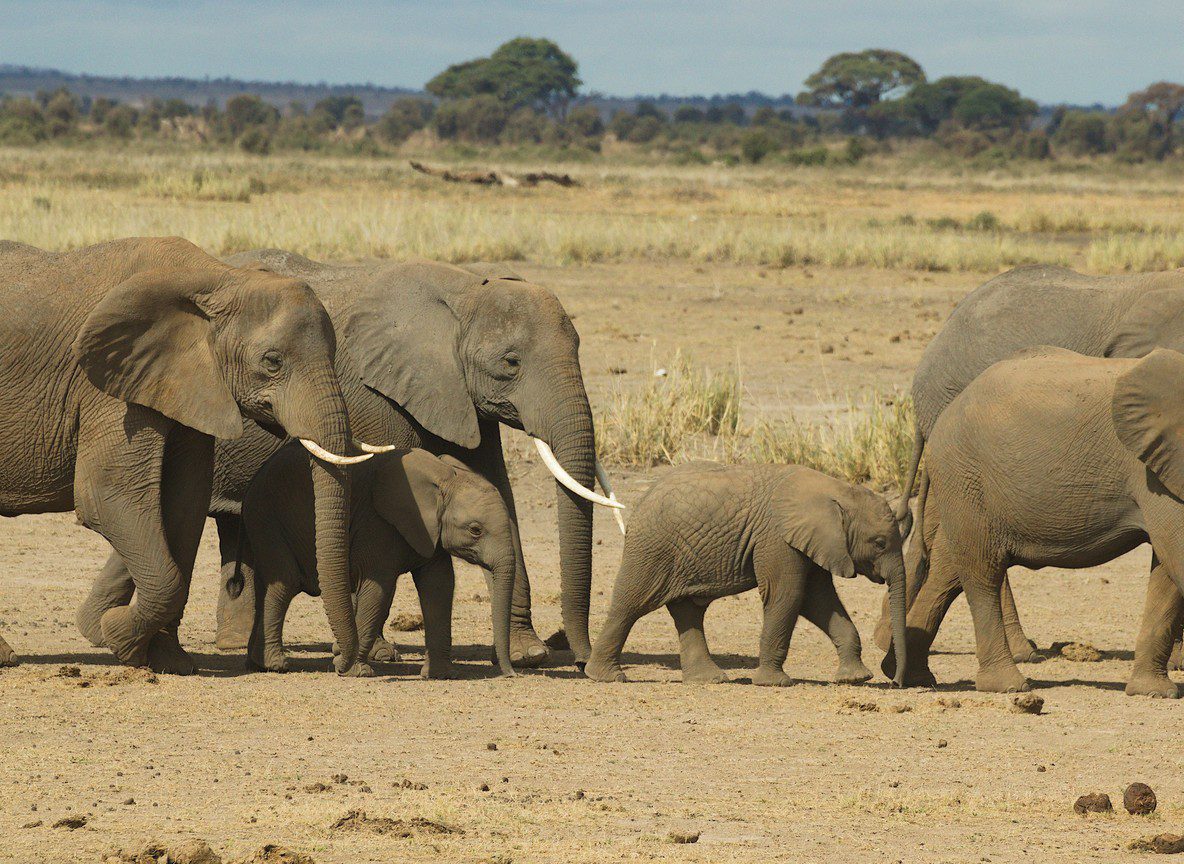
Elephants: Reliable throughout the month. The permanent swamp systems anchor the herds year-round, and January’s conditions make the herds easy to locate and observe. Breeding groups with calves are often prominent — January and February see continued calf activity following births in the preceding green months.
Big cats: Lions are regularly encountered on the swamp margins and across the open grassland. The January vegetation length is intermediate — greener than August but shorter than the long-rain months — giving reasonable predator search conditions.
Birding: January is a very good birding month. The Palearctic migrants that arrived in October and November are still present, significantly boosting the species count above what the core dry months offer. Wetland species are abundant at the swamp margins.
Zebra, wildebeest, buffalo: Present and active on the open grassland and plains circuits.
Kilimanjaro Views in January
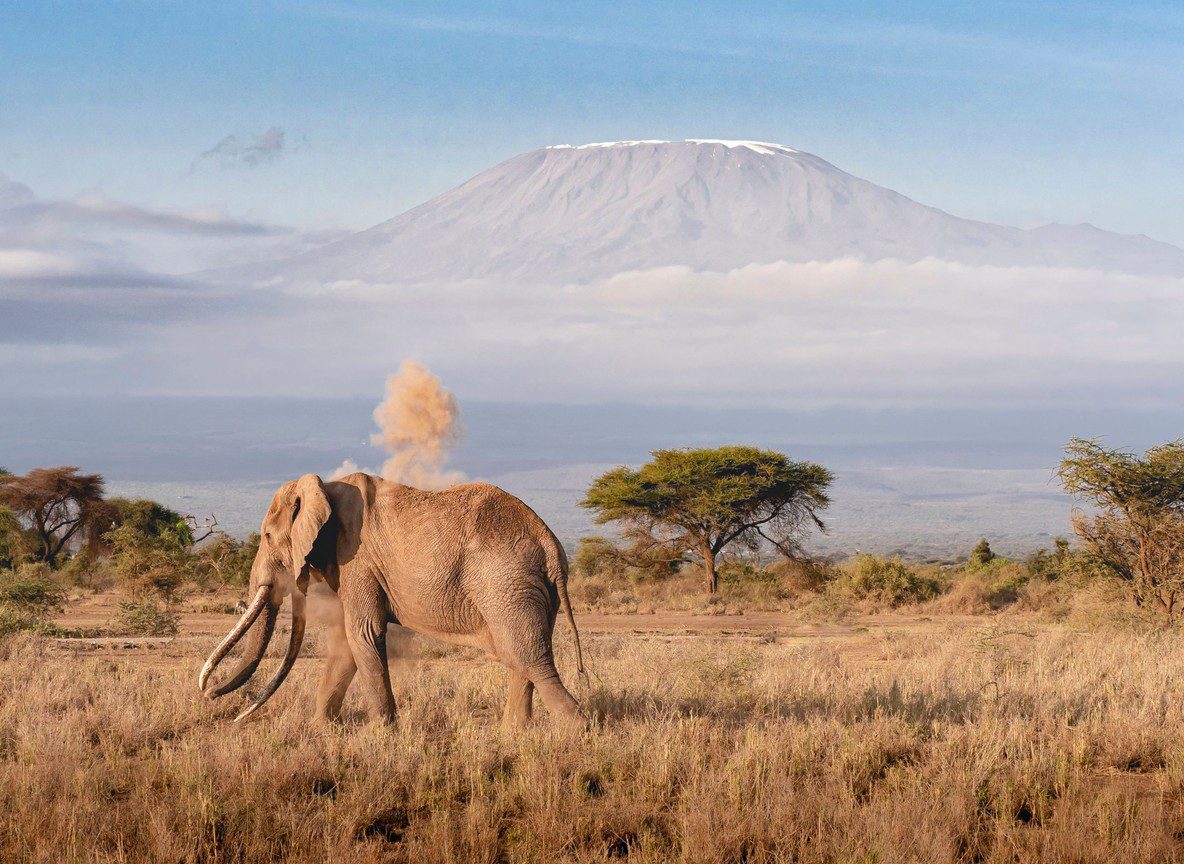
January is one of the stronger months for Kilimanjaro visibility. The relatively dry conditions, low humidity, and clear morning air produce good dawn visibility windows in most years. Clear summit reveals are achievable on most mornings — though as with every month in Amboseli, early departure is essential to maximise the window before cloud forms at altitude.
The landscape in January provides a more photogenic foreground for Kilimanjaro shots than the stark dry months. Green grass, active elephant herds, and the soft quality of January light contribute to a different kind of mountain image from the sharp, dusty August version.
January vs February: Which Is Better?
The two months are closely comparable. The main distinction:
January tends to be slightly greener and fresher, with more residual rainfall character from the preceding short rains. The landscape has a lush quality that adds depth to wildlife photography. Some early-January days may have brief residual rain.
February tends to be drier and cleaner. Visibility for wildlife and Kilimanjaro is marginally better on average. The month has settled further into its dry-window character.
For travellers who prefer a richer visual landscape, January edges February. For travellers who want the cleanest possible conditions and maximum clarity, February is slightly more consistent. Both are excellent months and the choice between them is one of personal preference more than significant quality difference.
January for First-Time Visitors
January is a genuinely good choice for a first Amboseli safari. The conditions are friendly, the wildlife is rewarding, and the park delivers close to its best during this window. The fact that January sits outside the peak July-August period typically means more camp availability and better rates than the busiest dry-season months.
First-time visitors who plan their safari in January will, in most cases, find that the park matches or exceeds what they hoped for.
How Many Nights in January
Two nights works well for a focused safari, particularly as part of a broader Kenya itinerary. Two mornings and two afternoons give four game drives and a high probability of good elephant encounters and at least one clear Kilimanjaro morning.
Three nights is better for photographers and travellers who want time to absorb the park at a relaxed pace. Three mornings provides meaningful redundancy for mountain views.
January at a Glance
| Factor | January Conditions |
|---|---|
| Rainfall | Low to moderate — light and intermittent |
| Wildlife visibility | Good to very good |
| Kilimanjaro views | Strong |
| Road conditions | Generally firm, some wet patches early in the month |
| Crowd levels | Moderate — below peak dry season |
| Best for | First-time visitors, birders, photographers, couples |
| Value | Better than July/August peak rates |
For comparison, see the Amboseli in February guide and the Kenya January vs February guide on Touring Insights.
Turn this reading into a real itinerary with help from a Kenya-based safari team.
Start Planning Your Safari